
Plumbing Repair: Is It Time to Check for Aging Water Pipes?
Homeowners rely on their plumbing systems every day, often without realizing how much work those water lines perform behind the scenes. Over time, pipes naturally age, wear down, and become more vulnerable to leaks, corrosion, and unexpected failures. Because water damage can be both costly and disruptive, understanding when to inspect aging water pipes is essential for maintaining a safe, efficient, and reliable home. Routine inspections and proactive maintenance can help prevent small issues from turning into larger emergencies that require extensive plumbing work.
Many homeowners only think about plumbing when a leak suddenly appears, water pressure drops, or odd noises start coming from the walls. However, these symptoms often indicate that the plumbing system has been deteriorating for years. Knowing when to check for aging pipes and how to recognize signs of decline can help homeowners address problems early and avoid unexpected repair bills. According to Freedonia Group, the US market for plumbing fixtures and fittings totaled $18.4 billion in 2024. This reinforces just how essential plumbing components are within homes and how often they require professional attention. With the proper approach to maintenance, homeowners can extend the life of their pipes and support efficient operation throughout the entire system.
Understanding Why Aging Pipes Require Careful Inspection
Aging pipes develop weaknesses that can compromise the entire plumbing system. Factors such as mineral buildup, internal corrosion, soil movement, and pressure fluctuations all contribute to the gradual decline of water lines. Older homes are especially at risk because their plumbing systems may still include materials no longer considered durable or safe for long-term use. Galvanized steel, for example, was once widely used but tends to corrode and restrict water flow as it ages.
Regular inspections help homeowners identify these vulnerabilities before they develop into serious problems. Early detection is one of the most effective ways to reduce the need for a major plumbing repair. Professional plumbers have the tools and expertise to assess pipe condition, look for signs of corrosion, and determine whether repairs or replacements are necessary. By addressing aging pipes sooner rather than later, homeowners can avoid leaks, water contamination, and system-wide failures that could cause extensive damage.
Identifying the Signs That Your Water Pipes Are Aging
Recognizing the warning signs of aging pipes empowers homeowners to act before a plumbing emergency occurs. Reduced water pressure, discolored water, unusual tastes or odors, and frequent leaks often indicate that the plumbing system may be deteriorating. These symptoms can appear gradually and may be easy to overlook if homeowners do not understand their significance.
For example, brown or yellow water usually signals internal pipe corrosion, while rattling or banging sounds may indicate loose fittings or pressure irregularities. Repeated clogs can also point to internal buildup inside older pipes, especially if blockages occur frequently across multiple fixtures. When these issues arise, plumbing repair becomes necessary to diagnose the root cause and restore normal function. The sooner these signs are addressed, the easier and more cost-effective the repairs tend to be.
Evaluating the Type of Pipe Material in Your Home
The material used in your plumbing lines plays a major role in determining when they should be inspected or replaced. Homes built before the 1970s may still contain galvanized steel or cast iron pipes, both of which can corrode over time. Even copper pipes, while durable, can develop pinhole leaks after decades of use. Newer materials such as PEX and PVC offer improved resilience, but they too require periodic inspection to ensure long-term performance.
Understanding the age and composition of your plumbing system makes it easier to plan for timely plumbing repair. A professional plumber can identify which materials are present and estimate their remaining lifespan based on wear, environmental conditions, and usage patterns. Homeowners benefit from knowing this information because it helps them budget for future upgrades and avoid sudden system failures.
Preventing Water Damage Through Proactive Maintenance
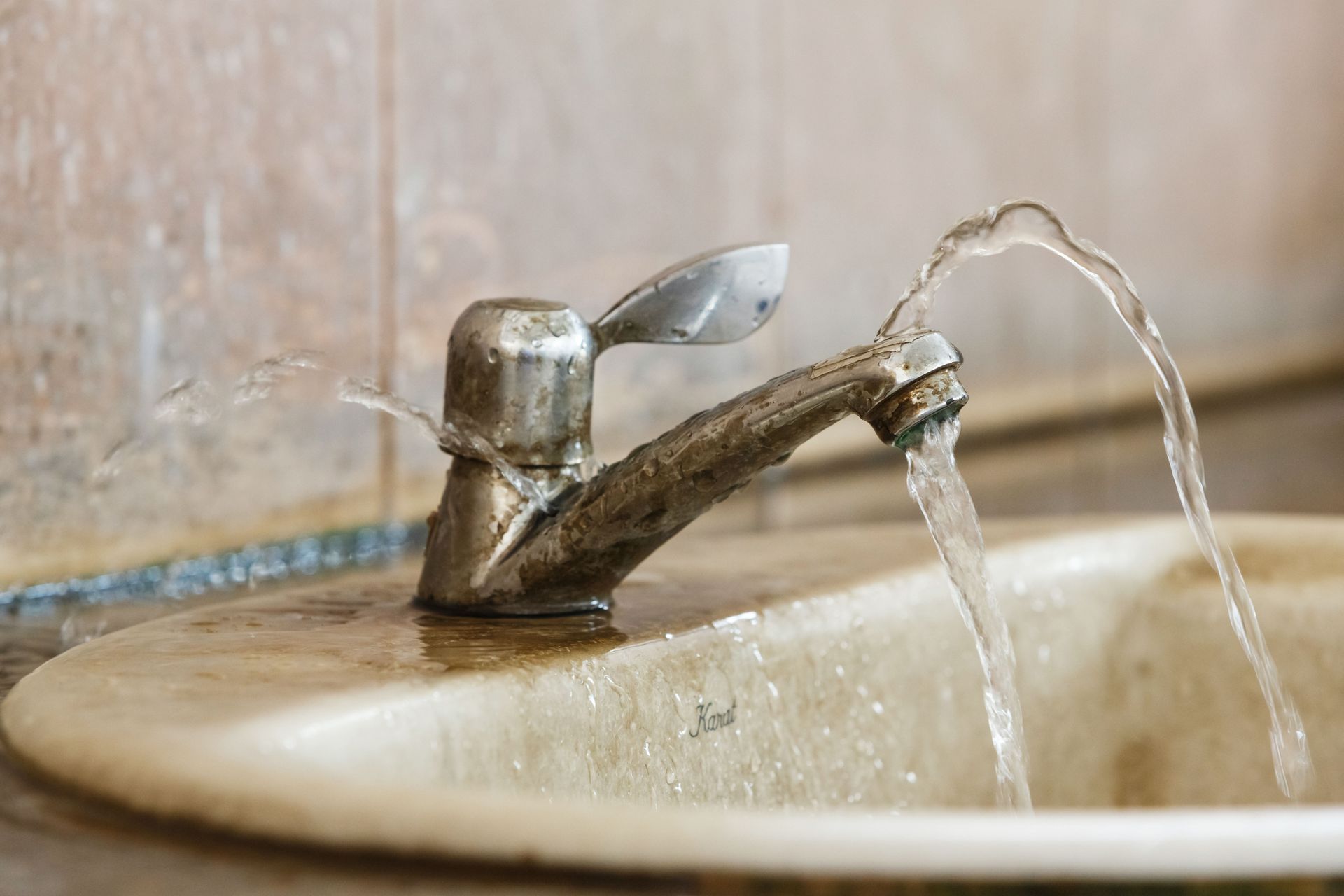
Water damage can spread quickly through floors, walls, and insulation, causing structural harm and potential mold growth. Preventing this kind of damage starts with routine inspections and early plumbing repair. By checking aging pipes regularly, homeowners can catch small leaks before they turn into serious problems. Even a tiny drip can waste thousands of gallons of water over time and dramatically increase utility costs.
Proactive maintenance also includes tightening connections, insulating pipes, flushing sediment from water heaters, and assessing water pressure levels. All of these steps help protect the plumbing system and improve efficiency. Homeowners who schedule annual inspections reduce their risk of water damage and extend the lifespan of their pipes. Preventive care is far more cost-effective than emergency plumbing repair, especially when aging pipes are involved.
Determining When Full Pipe Replacement Is Necessary
While repairs can solve many plumbing issues, there comes a time when full pipe replacement becomes the safer and more cost-effective solution. If pipes show widespread corrosion, repeated leaking, or severe mineral buildup, replacing the entire system may be the best long-term decision. Piecemeal repairs on severely aged systems can become expensive and fail to address the overall structural decline of the plumbing network.
Homeowners should consider replacement when their pipes have reached the end of their expected lifespan or when repairs no longer provide reliable results. Professional plumbers can evaluate the condition of the system and recommend whether repairs or full replacement will provide greater long-term value. Upgrading to modern materials not only improves water quality and pressure but also reduces future plumbing repair needs.
Improving Home Safety Through Updated Plumbing Systems
Aging water pipes can pose risks that extend beyond leaks and water damage. Contamination from corroded pipes may affect drinking water quality, while weak or failing systems can create safety hazards within the home. Replacing older plumbing systems reduces these risks and ensures that water delivered throughout the home remains clean and safe for everyday use.
Improved plumbing systems also help reduce energy consumption. Newer pipes support better water flow, reduce strain on appliances, and help maintain consistent temperature levels. These efficiencies contribute to lower utility bills and a more comfortable home environment. When plumbing repair addresses safety concerns and efficiency needs, homeowners gain both short-term benefits and long-term peace of mind.
Working with Professionals to Assess Aging Pipes
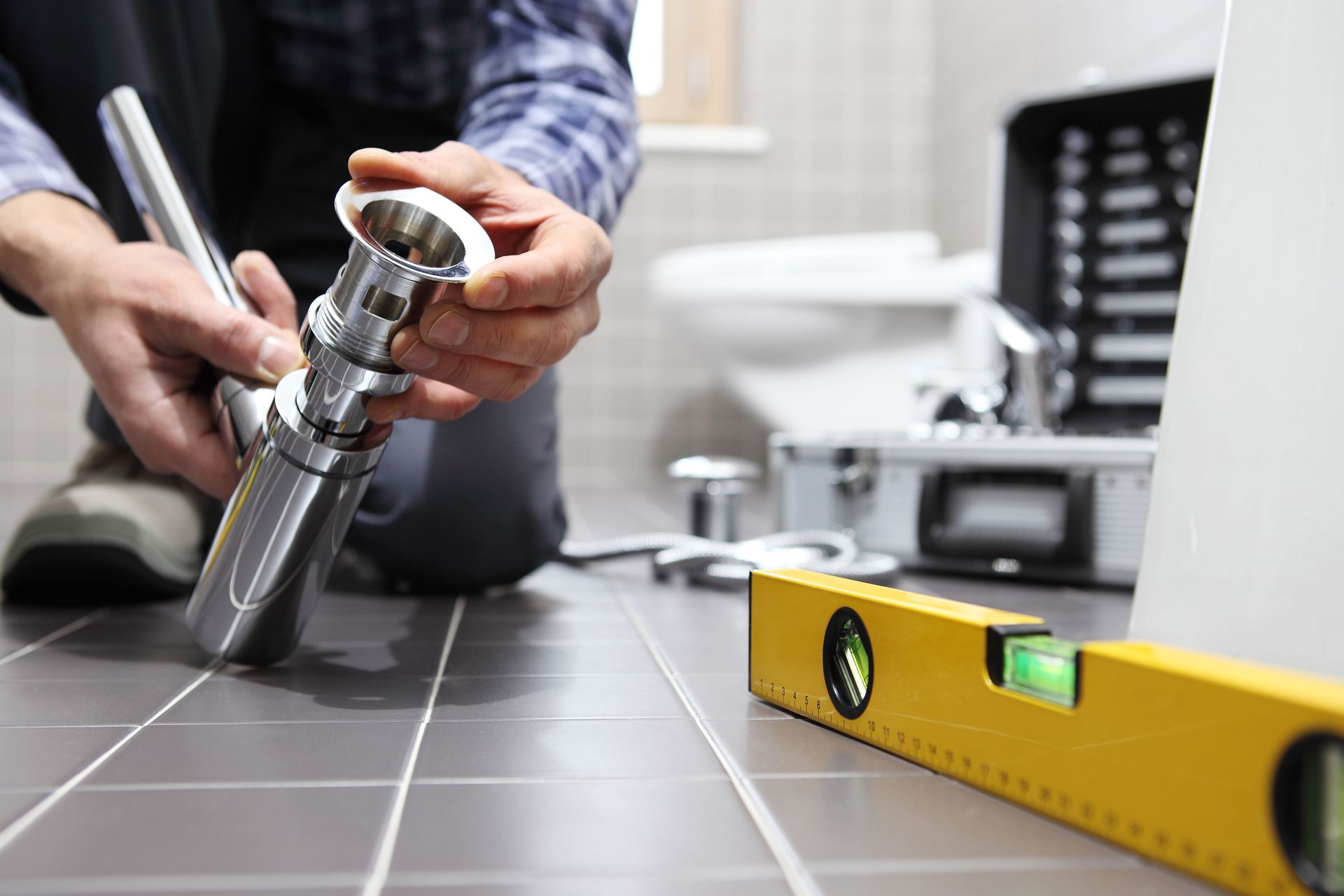
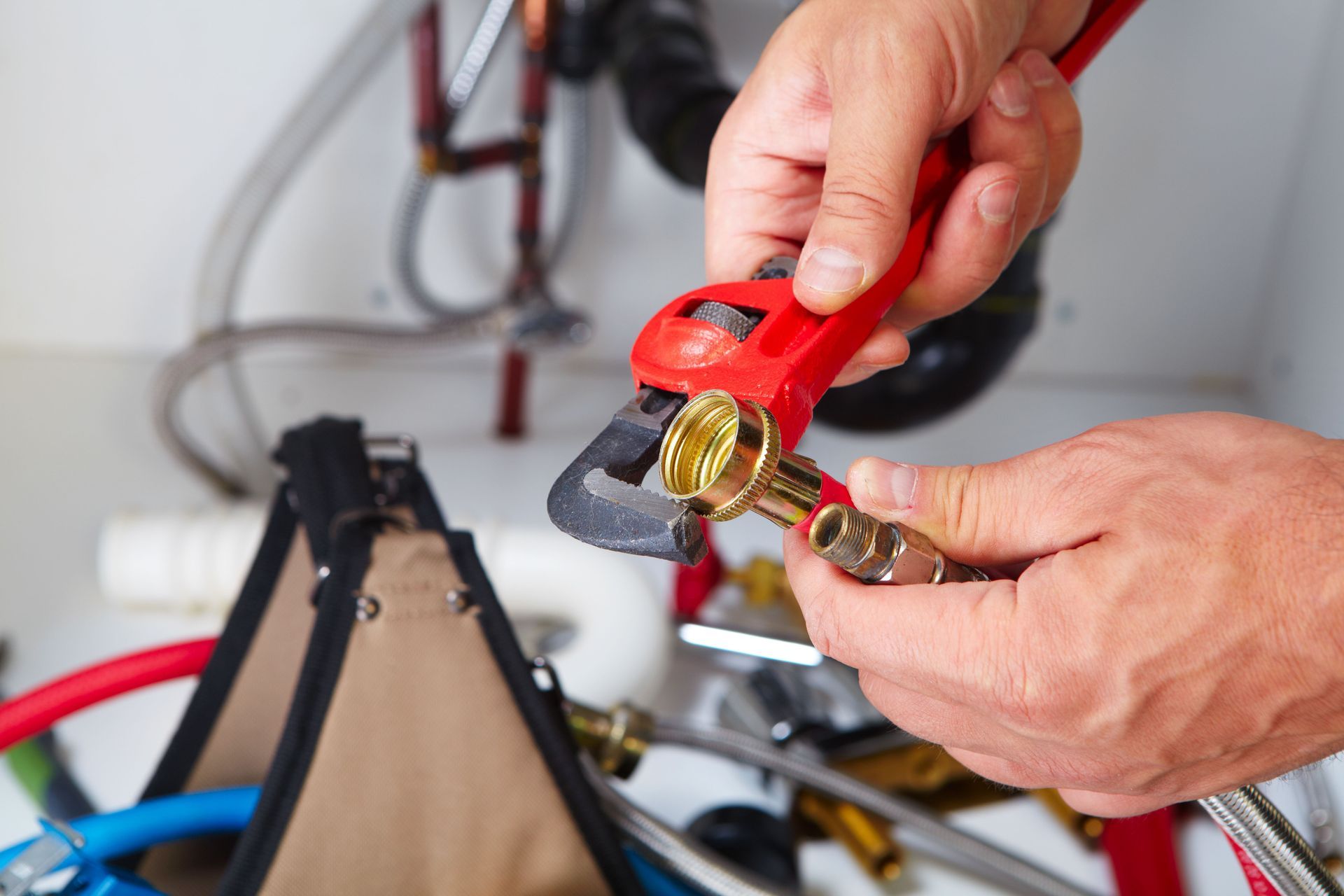
Assessing aging pipes requires specialized knowledge, tools, and diagnostic techniques. Professional plumbers use cameras, pressure gauges, and leak detection systems to evaluate plumbing conditions accurately. Attempting to diagnose pipe issues without the right expertise can lead to incomplete assessments or missed warning signs. Working with trained professionals ensures that the plumbing system receives a thorough evaluation.
During inspections, plumbers identify issues such as corrosion, leaks, restricted flow, and improper pipe supports. They also evaluate the system’s overall design to determine whether updates are needed to support modern water demands. These professional insights help homeowners make informed decisions about plumbing repair, replacement timelines, and maintenance schedules that best support their home’s needs.
Aging water pipes can lead to major issues if homeowners do not stay proactive about inspections and maintenance. Understanding the signs of deterioration, evaluating pipe materials, scheduling routine maintenance, and knowing when replacement is necessary all help protect the home from water damage and expensive repairs. Professional assessments ensure that plumbing systems remain safe, efficient, and reliable for daily use. For expert service and dependable solutions tailored to your home’s needs, contact Mid County Plumbing LLC today.
Share On: